Musical tribute to the oceans by Iris Hond
Together with Amsterdam Light Festival, Greenpeace and Het Scheepvaartmuseum, the entry into force of the groundbreaking global oceans treaty was celebrated.
Amsterdam, 14 January 2026
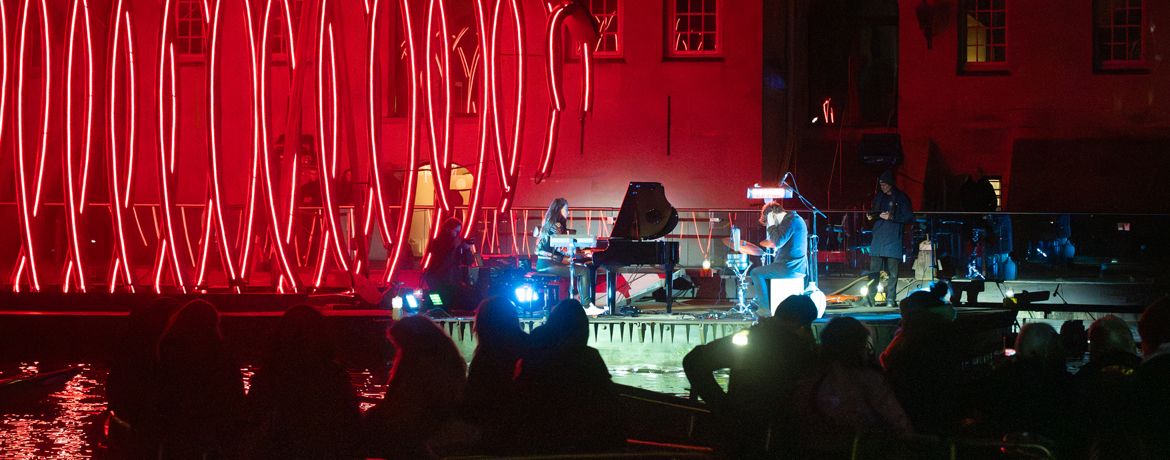
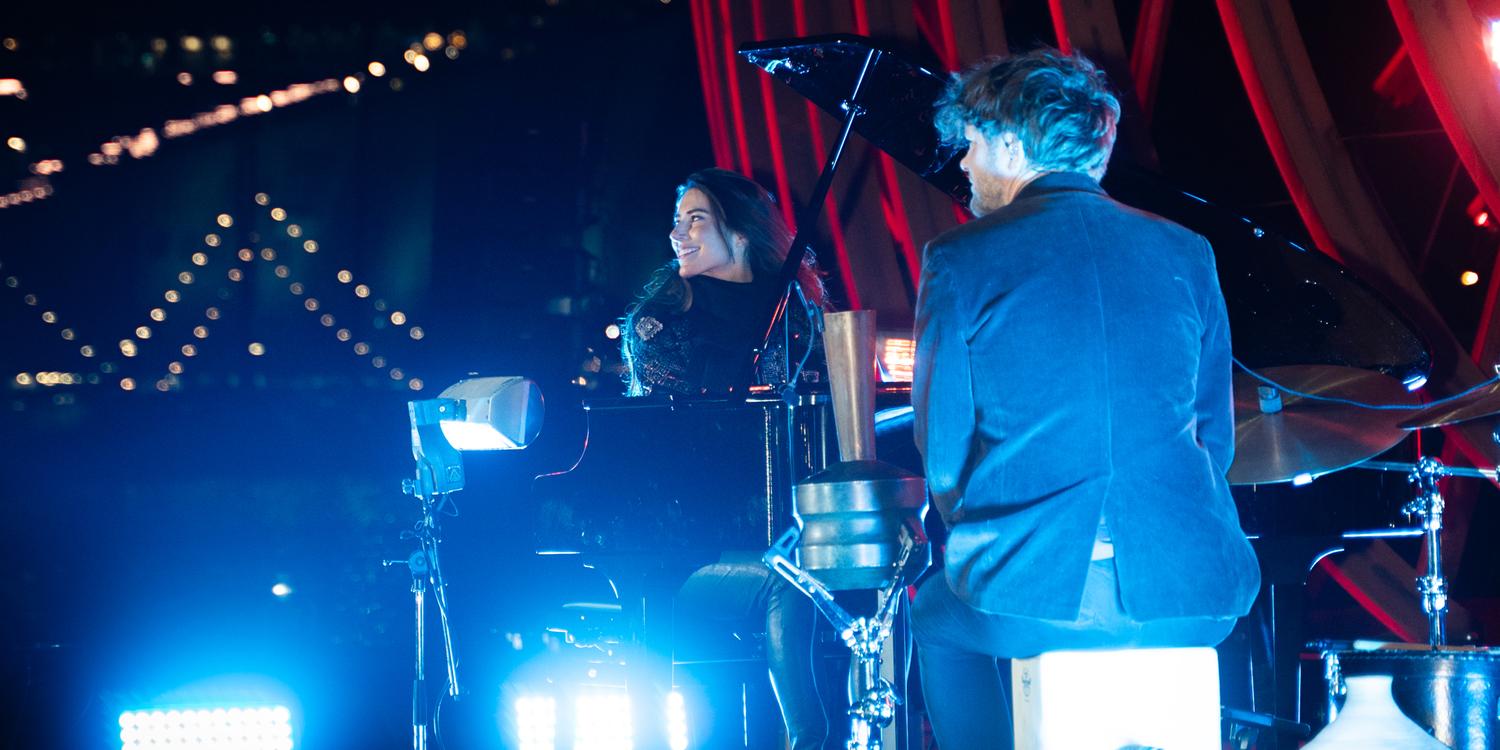
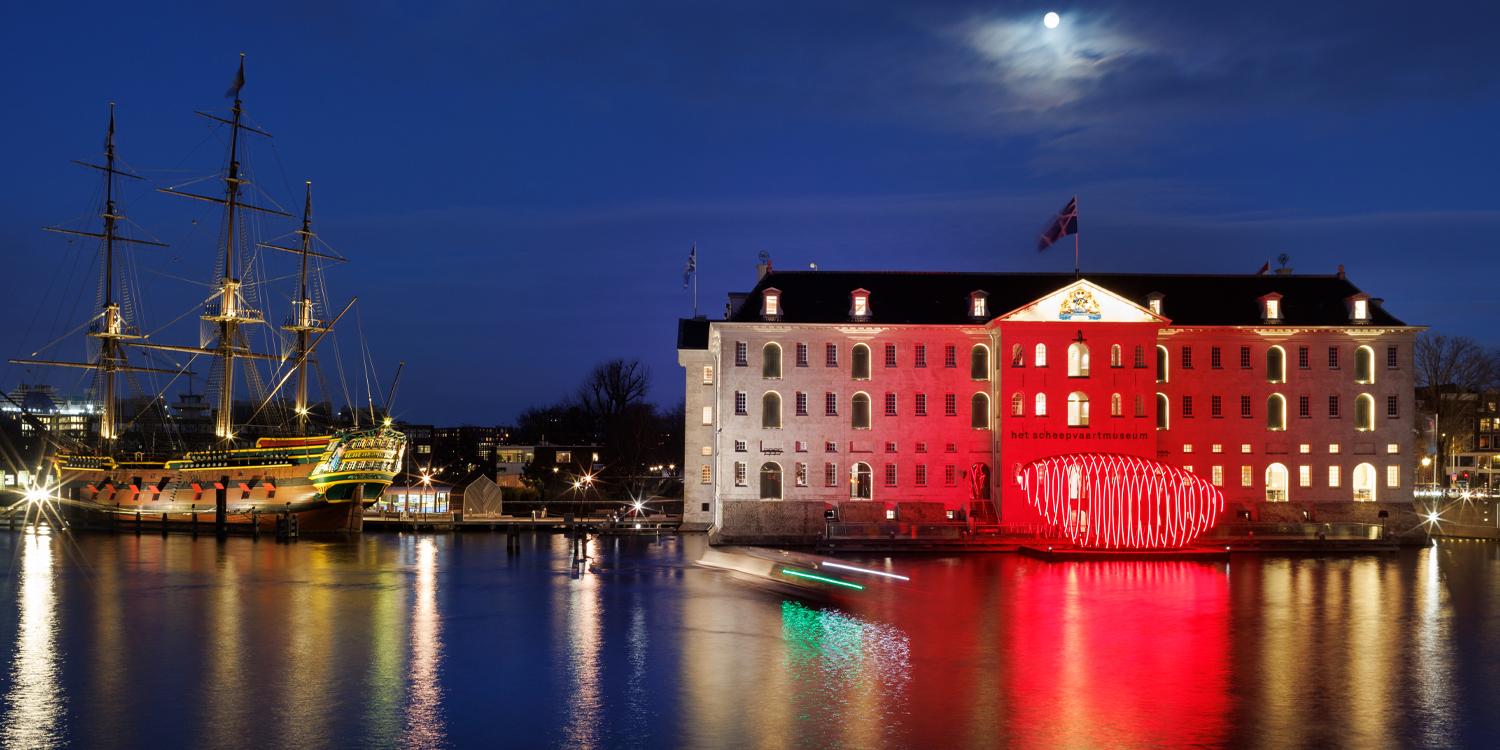
Pianist and composer Iris Hond gave an impressive concert this evening on a floating pontoon in the water near the National Maritime Museum (Het Scheepvaartmuseum). With a specially curated performance, together with Amsterdam Light Festival, Greenpeace, and Het Scheepvaartmuseum she celebrated the entry into force of the groundbreaking global oceans treaty. The concert took place at the light artwork 'Whale Fall', which served as a symbolic backdrop for the connection between humanity, art, and nature.
"Healthy oceans are crucial to all life on our planet. That is why Greenpeace has been committed to protecting the oceans for decades. Today we celebrate that effective protection of the oceans has come one step closer. The international oceans treaty that enters into force this week aims to protect 30% of the world's oceans by 2030. This is urgently needed, as oceans are under immense pressure from pollution, climate warming, and overfishing," says Sascha Landshoff, oceans expert at Greenpeace Netherlands.
The light artwork Whale Fall by Australian artist Xinyi Wang depicts the skeleton of a whale. When a whale dies, its body sinks to the ocean floor, where it becomes a source of nourishment for deep-sea life for decades. The artwork illustrates how all life is interconnected. "This edition of Amsterdam Light Festival centres on the theme of Legacy. This concert, at this extraordinary artwork, perfectly reflects that theme: we celebrate the beauty of life in the sea and the opportunity to leave healthy oceans for future generations. Iris Hond's artistic interpretation adds an extra emotional layer to this societal issue," says Pam Toonen, curator of Amsterdam Light Festival.
Iris Hond performed a programme specially composed for this occasion, featuring her own compositions in which the quiet power of the deep sea and the urgency of restoration resonated. In her performance, she sought a connection between the fragility of the artwork Whale Fall and the hope offered by the new oceans treaty. Dozens of spectators in canoes and small boats, including two Greenpeace vessels, attended the concert from the water.
"Humanity and the sea are inextricably linked. In our museum, we demonstrate this every day. In the coming years, we will devote more attention to the impact of human activities on the oceans and the climate. This is a highly topical issue that Greenpeace has been raising awareness of for decades. Music and art are powerful connecting forces that allow us to share our love for the ocean with a wide audience," says Michael Huijser, General Director of Het Scheepvaartmuseum.
The global oceans treaty makes it possible to establish international agreements on a network of marine reserves where nature is left undisturbed. This gives oceans the opportunity to recover from overfishing and pollution. Research shows that marine life has a strong capacity to regenerate when it is given the space to do so.